Wood Fencing
Wood Fence Installation in the East Valley
Classic backyard privacy on a budget — get matched with a licensed local contractor, free.
As of September 2026, wood fence installation in the East Valley typically costs $15–$35 per linear foot installed — the most budget-friendly solid-privacy option, with a typical 10–15 year lifespan.
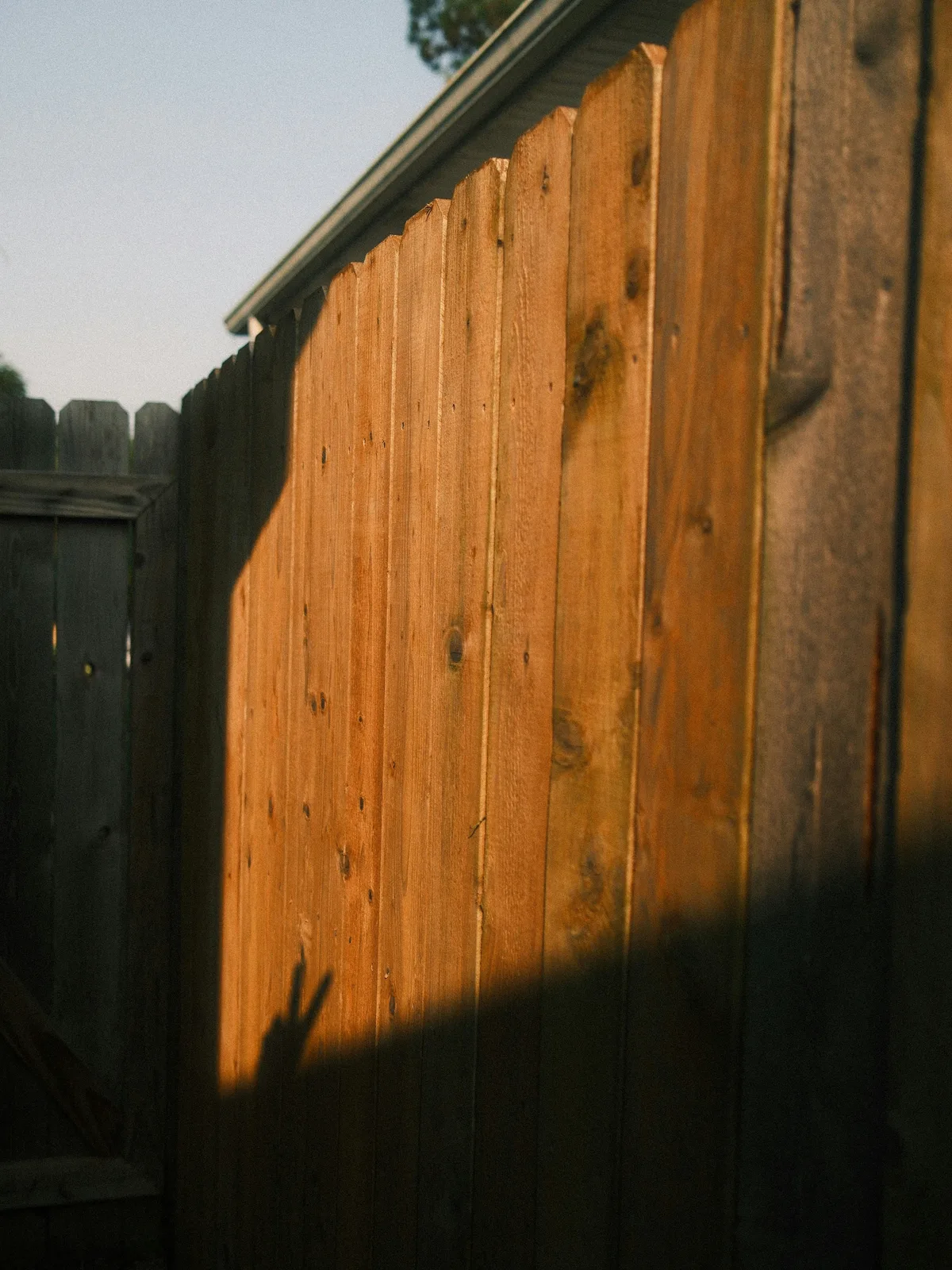
Wood remains a popular choice across Gilbert, Chandler, Mesa, Queen Creek, and San Tan Valley for backyard privacy fencing, especially on a tighter budget. East Valley Fence & Wall Pro matches you with a licensed local contractor for a free quote.
What to Know About Wood in the Desert
- UV exposure: Arizona sun fades and dries wood faster than milder climates — regular staining/sealing (every 2–3 years) extends its life significantly.
- Monsoon wind: solid board-on-board panels catch more wind than open styles; ask your contractor about wind-rated post spacing and bracing.
- Irrigation splash: sprinkler overspray against fence posts accelerates rot at the base — a contractor experienced with East Valley yards will account for sprinkler placement.
Style Options
Board-on-board (solid privacy), shadowbox (semi-private, alternating boards), and picket (low front-yard style) are the most common configurations, each priced differently based on lumber use.
Installation & Licensing
Wood fence installation is licensed work in Arizona under ROC classification CR-14 (or C-14/R-14). We only match homeowners with contractors who report holding an active license — verify directly at azroc.gov.
See our full cost comparison in the Vinyl vs. Wood Fence Cost guide.
Get Matched With a Wood Fence Installer
Tell us about your project and we'll connect you with a licensed local pro — free, no obligation.
Frequently Asked Questions
How much does a wood fence cost installed?
Wood fencing typically runs $15–$35 per linear foot installed — the most budget-friendly privacy-fence material in the East Valley.
How often does a wood fence need to be resealed in Arizona?
Most East Valley wood fences need staining or sealing every 2–3 years to hold up against intense UV exposure and occasional monsoon moisture.
What wood species hold up best in the desert?
Cedar and pressure-treated pine are the most common choices — cedar naturally resists rot and insects, while pressure-treated pine is the more budget-friendly option and holds up well if sealed regularly.